How to Clear Hair Buildup Before a Lab Test
Why Hair Buildup Matters for Lab Testing
When you are asked to provide a hair sample for laboratory testing, the condition of your hair matters more than you might think. Labs look for substances that have been absorbed into the hair shaft over time. If your hair is coated with oils, silicones, or styling products, those residues can interfere with the reading. They can trap external contaminants or dilute the internal signal, making the result less reliable. That is why many testing facilities recommend a clarifying wash beforehand, and why the concept of a detox shampoo has become so popular.
But not all washes are equal. A regular shampoo removes surface dirt, but it does little to break down the stubborn buildup that accumulates from conditioners, waxes, and leave-in treatments. Over weeks, these layers can become quite thick. They can also affect how your hair feels and behaves, making it look dull or heavy. If you have ever switched shampoos and noticed your hair suddenly feels lighter, you have experienced what happens when some of that buildup finally comes off.
What Actually Causes Buildup
Every hair strand has a protective outer layer called the cuticle. Think of it like a set of overlapping tiles. When the cuticle is smooth and flat, hair reflects light and feels soft. When it is raised or coated, hair can feel rough and look lifeless. Products designed to smooth, shine, or hold your style often leave behind a film. Silicones, for example, are widely used in conditioners and serums because they create a silky feel. But they are not water-soluble, so they stay on the hair until a stronger cleanser comes along.
Hard water is another factor. Minerals like calcium and magnesium can bind to the hair and leave a chalky residue. This is especially common in areas with well water or municipal water that has not been softened. The minerals can also react with certain shampoo ingredients, forming a soap scum that makes the problem worse. Over time, this mixture of product residue and mineral deposits can become quite stubborn.
For anyone preparing for a hair drug test, this matters because the lab is looking at the internal structure of the hair. If the outside is coated, the washing process the lab uses may not fully remove all external contamination. Some labs have strict protocols for this, but a clean starting point gives you the best chance of an accurate result. That is where a dedicated detox shampoo comes in.
What a Detox Shampoo Does Differently
A detox shampoo is formulated to go beyond ordinary cleansing. It typically contains stronger surfactants, which are the ingredients that lift oil and dirt. It may also include chelating agents, which bind to minerals like calcium and magnesium and pull them away from the hair. This is a different action from simple detergent. Chelating agents are often used in swimming pool treatments and industrial cleaners, but they are safe in carefully measured cosmetic formulas.
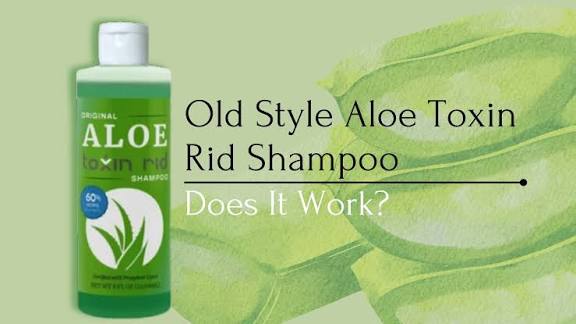
Many detox shampoos also rely on botanical extracts to soothe the scalp and restore a healthy pH balance. Aloe vera is a common choice because it is gentle and hydrating. A harsh clarifying wash can strip the hair of its natural oils, leaving it brittle and prone to breakage. Aloe helps counteract that by adding moisture back without leaving a heavy residue. This balance is crucial, especially if you need to wash your hair more than once before a test.
The goal is not to remove every trace of oil, because your scalp needs some sebum to stay healthy. The goal is to remove the artificial layers that come from styling products and environmental exposure. A good detox shampoo should leave your hair feeling clean but not squeaky. If it feels too stripped, you have likely used a formula that is too aggressive for your hair type.
How to Use a Detox Shampoo Properly
Using a detox shampoo is not the same as your daily wash. You need to be more deliberate. Start by wetting your hair thoroughly with warm water. Warm water helps open the cuticle slightly, which allows the cleanser to penetrate. Then apply the shampoo, focusing on the roots and scalp first. Massage gently with your fingertips, not your nails, for at least a minute. This gives the ingredients time to break down the buildup.
Rinse completely, then repeat. The first wash will remove the surface layer, and the second wash will work deeper. This double-wash method is common in professional salons and is especially useful before a hair test. If your hair is very long or thick, you may need to adjust the amount of product. Follow the instructions on the bottle, but do not be afraid to use a little more if your hair feels coated.
After rinsing, you can follow with a light conditioner, but only on the mid-lengths and ends. Avoid the scalp area, because you do not want to reapply any residue near the roots. If you are testing soon, some people skip the conditioner altogether. That is fine, as long as your hair does not become too tangled. A wide-tooth comb can help manage wet hair without causing breakage.
What to Look for in a Detox Shampoo
When choosing a detox shampoo for pre-test preparation, check the label for a few key ingredients. Sulfates like sodium lauryl sulfate are effective cleansers, but they can be harsh. Some people prefer sulfate-free options, though those may not remove buildup as thoroughly. Chelating agents like EDTA or phytic acid are good signs, as they address the mineral component. Aloe vera or other soothing botanicals are a plus, especially if you have a sensitive scalp.
pH balance is another consideration. Your scalp and hair naturally sit at a slightly acidic pH, around 4.5 to 5.5. Many standard shampoos are more alkaline, which can raise the cuticle and make hair frizzy. A detox shampoo that is pH-balanced helps keep the cuticle flat, which not only looks better but also reduces the chance of external substances getting trapped during the test. It is a small detail, but it can make a difference.
You should also be wary of products that promise instant results or dramatic claims. No shampoo can completely erase months of product use in one wash, especially if you have been using heavy oils or waxes. A realistic expectation is that a good detox shampoo will significantly reduce residue, not magically make it disappear. If you have time, you can use it a few days before the test, then again on the day of the test. That gives your hair a chance to recover between washes.
Common Mistakes to Avoid
One common mistake is using a detox shampoo too often. Even though it is gentle, it is still more stripping than a regular shampoo. Using it every day can dry out your scalp and cause irritation. For general maintenance, once a week is usually enough. For pre-test preparation, you can use it more frequently for a few days, but then give your hair a break.
Another mistake is applying the shampoo to dry hair. Some people think this makes it stronger, but it can actually cause tangling and make it harder to distribute the product evenly. Always wet your hair first. Also, avoid using hot water, which can be too harsh on the scalp. Warm water is sufficient.
Finally, do not forget to rinse thoroughly. Leftover shampoo residue can itself become a problem, potentially leaving a film that interferes with the test. Take an extra minute to rinse, especially around the nape of the neck and behind the ears, where product tends to accumulate.
The Role of Aloe Vera in Detox Formulas
Aloe vera is more than a soothing additive. It contains enzymes that can help break down dead skin cells on the scalp, and its natural polysaccharides provide moisture without heaviness. This makes it an excellent partner for detoxifying ingredients. The aloe helps maintain the skin barrier, so your scalp does not overproduce oil to compensate for the stripping effect. That means your hair stays cleaner for longer, and you are less likely to experience itchiness or flaking.
For people with sensitive skin, aloe can also reduce the risk of irritation from stronger cleansers. It has a cooling effect that calms inflammation. If you have ever used a harsh shampoo and felt a burning sensation, you know why this matters. A formula that includes aloe vera is more likely to feel comfortable, even when used repeatedly.
In the context of preparing for a lab test, this is particularly relevant. You want your scalp to be in good condition, because any irritation or flaking could affect the sample. A calm, clean scalp produces a better sample than one that is red and aggravated.
How "Toxin rid" Fits Into a Pre-Test Routine
One product line that addresses this specific need is Toxin rid, a detox shampoo designed for removing buildup and preparing hair for laboratory testing. It combines the cleaning power of surfactants with the soothing properties of aloe vera, making it a practical choice for anyone facing a hair test. The name itself suggests the goal: to rid the hair of residues that could skew the results.
When you use a product like this, you are not just washing your hair. You are taking a deliberate step to ensure that the sample you provide is as clean as possible. This can reduce the stress that often accompanies testing, because you know you have done what you can on your end. Of course, no product can guarantee a particular outcome, but it can give you peace of mind.
It is also worth noting that detox shampoos are not only for tests. They are useful for anyone who uses a lot of styling products or lives in an area with hard water. Regular use can improve the overall health and appearance of your hair, making it shinier and easier to manage. If you decide to use Toxin rid as part of your regular routine, you may find that your hair feels lighter and looks healthier over time.
Practical Tips for the Day of the Test
On the day of your test, wash your hair as you normally would, but pay extra attention to the roots. Do not apply any oils, gels, or sprays after washing, as these could add new residue. Let your hair air dry if possible, because heat styling can alter the structure and potentially affect the sample. If you must use a blow dryer, keep it on a cool setting and hold it at a distance.
Also, avoid any treatments that claim to strip the hair completely, such as bleach or chemical relaxers. These can damage the hair and make the sample unusable. The goal is to provide a clean, undamaged sample that reflects your normal hair composition.
Finally, remember that the lab is looking for substances that you have consumed or been exposed to. A detox shampoo cannot remove those internal markers. It can only remove external contamination. So, while it is a valuable tool for preparation, it is not a way to cheat a test. Be honest with yourself about what the test will show, and use the shampoo to ensure that the result is as accurate as possible.
In the end, preparing for a hair test is about giving the lab the best possible sample. A good detox shampoo, used correctly, can remove the external layers that might confuse the analysis. With a product like Toxin rid and a careful routine, you can walk into the collection site with confidence that your hair is as clean as it can be.